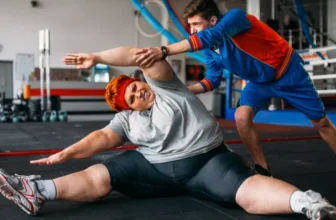

As you mature, your fitness routine must evolve to accommodate the changes your body experiences. Age can impact various aspects of your physical capabilities, influencing how you approach exercise. Understanding the effects of aging on your fitness journey can help you make informed decisions about how to best support your health and well-being. By acknowledging these age-related factors, you can make adjustments that align with your body’s needs, ensuring that your fitness routine remains effective and fulfilling.
Age-related Changes in Muscle Mass
As you age, your muscle mass naturally decreases due to various physiological changes. This decline in muscle mass, known as sarcopenia, is a common result of aging. The loss of muscle mass starts around age 30 and accelerates after age 60. Factors such as hormonal changes, decreased physical activity, and inadequate protein intake contribute to this decline.
To combat the reduction in muscle mass, incorporating strength training exercises into your fitness routine becomes crucial as you age. Strength training helps maintain muscle mass, bone density, and overall strength. It can also improve your balance and reduce the risk of falls, which becomes more important as you grow older.
Additionally, ensuring an adequate protein intake is essential for preserving muscle mass. Protein is the building block of muscles and is necessary for muscle repair and growth. Including protein-rich foods like lean meats, poultry, fish, eggs, dairy, legumes, and nuts in your diet can help support muscle health as you age.
Impact of Aging on Energy Levels
With age, your energy levels may noticeably decrease, impacting your daily activities and fitness routine. As you get older, you might find that you tire more quickly than before, making it challenging to engage in the same level of physical activity you once enjoyed. This decrease in energy can stem from various factors such as hormonal changes, reduced muscle mass, or changes in metabolism.
Lower energy levels can make it harder to stay motivated to exercise regularly, leading to a more sedentary lifestyle. It can also affect your ability to push yourself during workouts, potentially resulting in a less effective fitness routine. Finding the right balance between rest and physical activity becomes crucial as you age to prevent burnout and injury.
To combat declining energy levels, consider incorporating activities that you enjoy and that align with your current fitness level. Additionally, focusing on proper nutrition, hydration, and adequate rest can help optimize your energy levels for physical activities. By making adjustments to accommodate your changing energy levels, you can continue to lead an active and fulfilling lifestyle as you age.
Adjusting Exercise Intensity With Age
Adjust your exercise intensity as you age to ensure your fitness routine remains effective and safe. As you get older, your body may not be able to handle the same level of intensity as it once could. It’s important to listen to your body and make adjustments accordingly. Consider reducing the impact of high-intensity workouts or incorporating more low-impact activities like swimming or cycling. This can help prevent injuries and joint strain while still keeping you active.
Another way to adjust exercise intensity is by focusing on functional movements that improve strength and stability. Incorporating exercises that target balance and flexibility can help maintain mobility and prevent falls. Additionally, adding more rest days into your routine can give your body the necessary time to recover and reduce the risk of overtraining.
Importance of Flexibility and Mobility
Maintaining flexibility and mobility is crucial for your overall fitness and health. Flexibility allows your joints to move through their full range of motion, while mobility ensures that you can perform daily activities with ease and without the risk of injury. As you age, it’s common for flexibility and mobility to decrease, making it even more important to incorporate specific exercises into your fitness routine to combat these effects.
Stretching exercises, such as yoga or Pilates, can help improve flexibility by lengthening your muscles and increasing your range of motion. Mobility exercises, like hip rotations or shoulder circles, target specific joints to enhance their function and reduce stiffness. Including these types of exercises in your workout regimen can help maintain or even improve your flexibility and mobility as you age.
Tailoring Workouts to Age-Related Needs
To address age-related needs in your fitness routine, consider adapting your workouts to cater to the changes your body experiences over time. As you age, it’s essential to tailor your exercise regimen to suit your body’s evolving requirements.
For instance, older adults may benefit from incorporating more low-impact activities like swimming or cycling to reduce stress on joints. Strength training becomes increasingly important as you get older to maintain muscle mass and bone density. Focus on exercises that improve balance and stability to lower the risk of falls, a common concern with aging. Additionally, incorporating flexibility exercises can help counteract the natural decrease in flexibility that comes with age.
Listening to your body and being mindful of any limitations or discomfort is crucial when customizing your workouts. Consulting with a fitness professional who understands age-related considerations can also provide valuable insights and guidance.
Cardio Training